
“She can be anyone, except herself.”
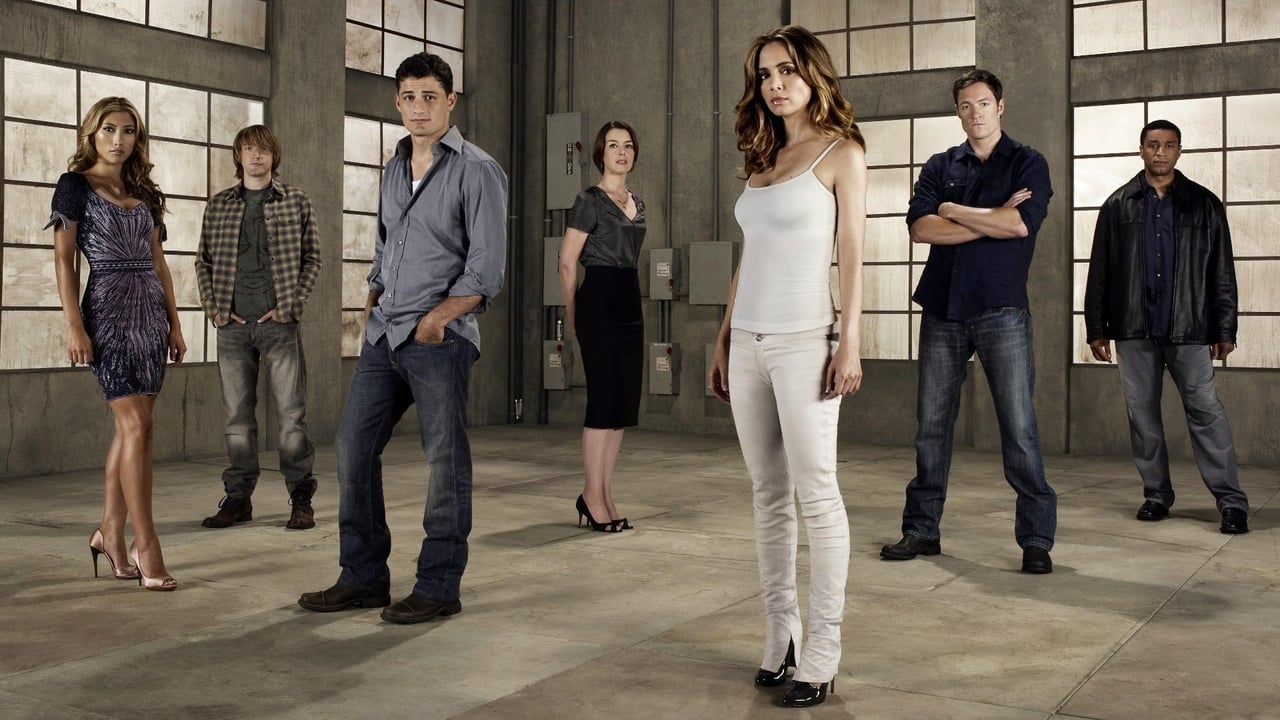
Echo is a member of a highly illegal and underground group of individuals whose personalities have been wiped clean so they can be imprinted with any number of new personas. Confined between missions to a secret facility known as the Dollhouse, the "Actives" are hired by the wealthy, powerful and connected to wholly become—with mind, personality and physiology—whomever the client wants or needs them to be. They know no other life than the specific engagements they are in at that time—or do they?
Where to Watch
Streaming, rent and purchase options




Episodes

1. Ghost
Echo is one of the "Actives" in the elite and illegal Dollhouse. Through different personality downloads, she plays the role of a lovestruck girl on a romantic weekend, and then a ruthlessly efficient kidnapping negotiator. FBI Agent Paul Ballard is struggling with his assignment to uncover information on the Dollhouse.
2. The Target
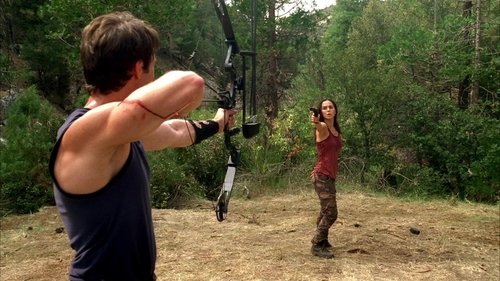
Echo becomes the female counterpart to an outdoorsman; Agent Ballard is encouraged when he receives a clue to Echo's true identity.
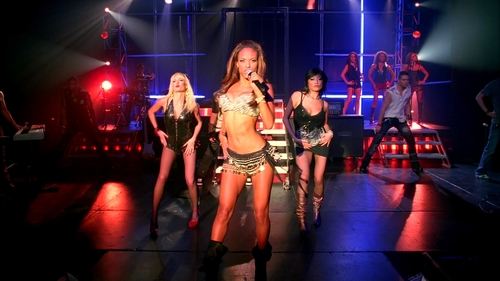
3. Stage Fright
Echo becomes a backup singer to watch out for a female singing sensation with a very overzealous fan. Agent Ballard's investigation takes a turn for the worse.
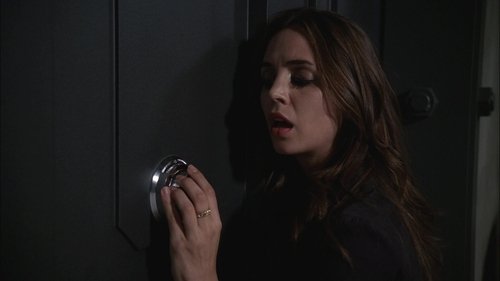
4. Gray Hour
Echo becomes an expert safe-cracker, and an invaluable piece of art is stolen from her on the engagement, forcing Sierra to take on a familiar persona. Agent Ballard gives Lubov an ultimatum, and Adelle confides shocking information to Topher.
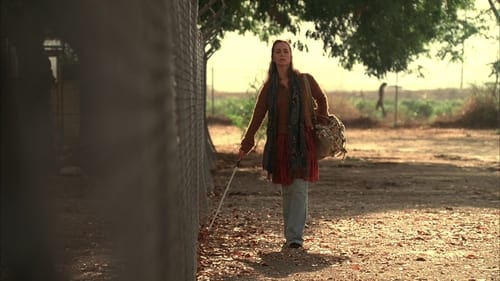
5. True Believer
Imprinted as a visually impaired woman, Echo must infiltrate a heavily guarded cult in order to rescue a woman held against her will.
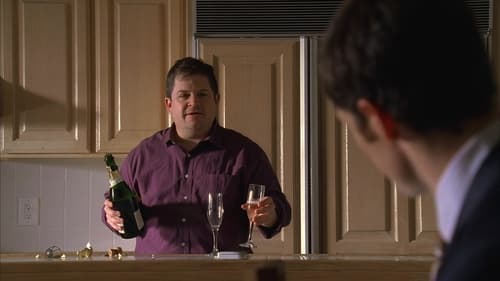
6. Man on the Street
Echo becomes the perfect wife for a lonely internet mogul, and Sierra's attacker is revealed. Meanwhile, Mellie's life is in danger and Agent Ballard's investigation takes a surprising turn when he comes face-to-face and goes fist-to-fist with Echo for the first very time.
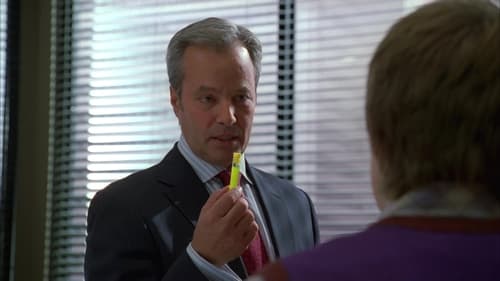
7. Echoes
A deadly virus outbreak on a college campus sends Echo back to school where pieces of her past come into focus.
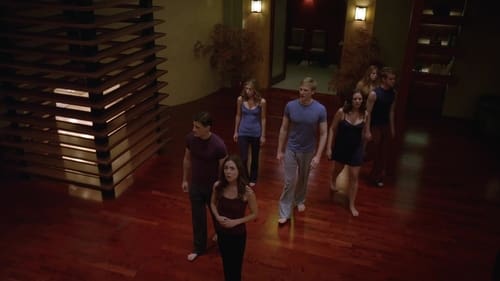
8. Needs
When Echo, Sierra and Victor awaken in the Dollhouse with most of their original personalities and memories intact, Echo leads the charge to free the Actives from their apparent captivity and escape the Dollhouse forever. Meanwhile, Ballard discovers the Dollhouse is closer than he thinks.
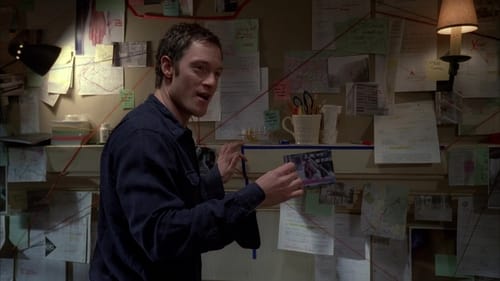
9. A Spy in the House of Love
When a traitor is discovered inside the Dollhouse, Echo and Sierra are programmed as spy hunters to uncover the culprit. Meanwhile, Ballard receives surprising news from Mellie, and Adelle harbors a secret.
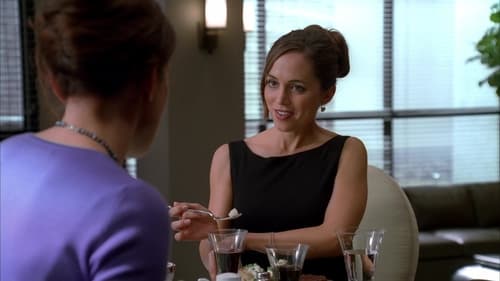
10. Haunted
When Adelle’s wealthy friend is murdered, Adelle imprints Echo with the woman’s memories and personality to solve the case. Ballard looks into Mellie’s past, and Topher secretly programs Sierra for an engagement.
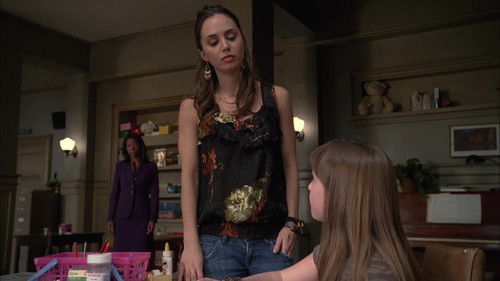
11. Briar Rose
Ballard’s investigation leads him to the agoraphobic designer of the Dollhouse (guest star Alan Tudyk), and the story of “Sleeping Beauty” foreshadows Echo’s future, while allowing her to help a young girl deal with her traumatic past. Adelle goes to the attic in search of answers, while Alpha reveals himself and sets his game in motion.
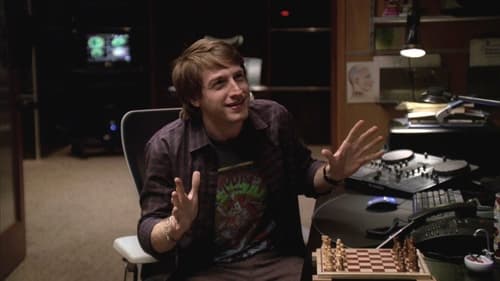
12. Omega
Alpha’s reign of terror continues as his obsession with Echo endangers Caroline’s survival. Ballard’s search for the Dollhouse comes to an end, forcing him to make a life-changing decision. Meanwhile, one Doll is permanently deactivated while another’s shocking past is revealed.
Cast & Crew
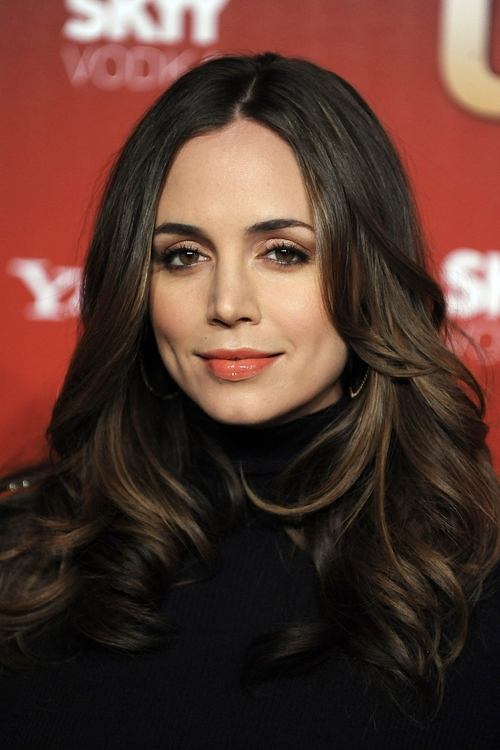
Eliza Dushku
Echo / Caroline Farrell
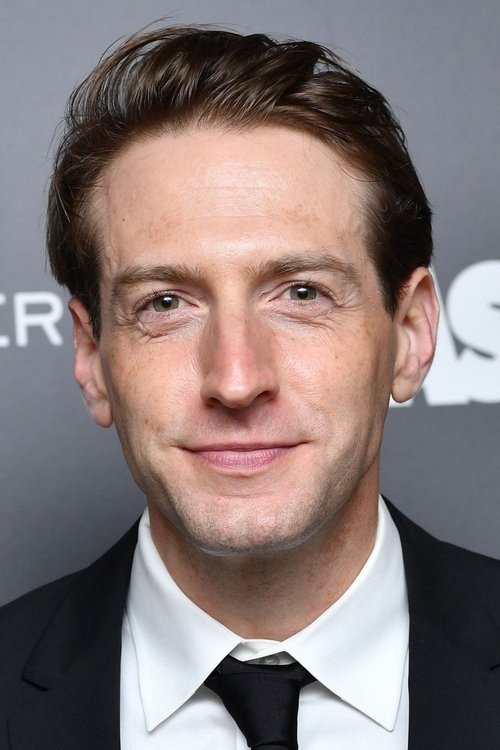
Fran Kranz
Topher Brink
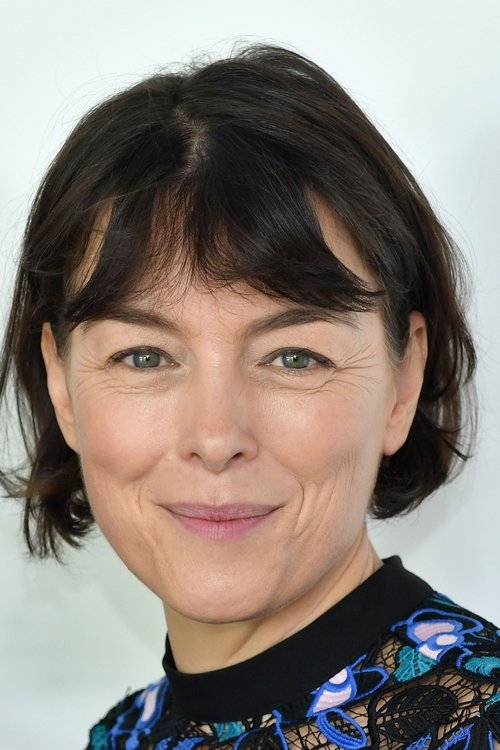
Olivia Williams
Adelle DeWitt
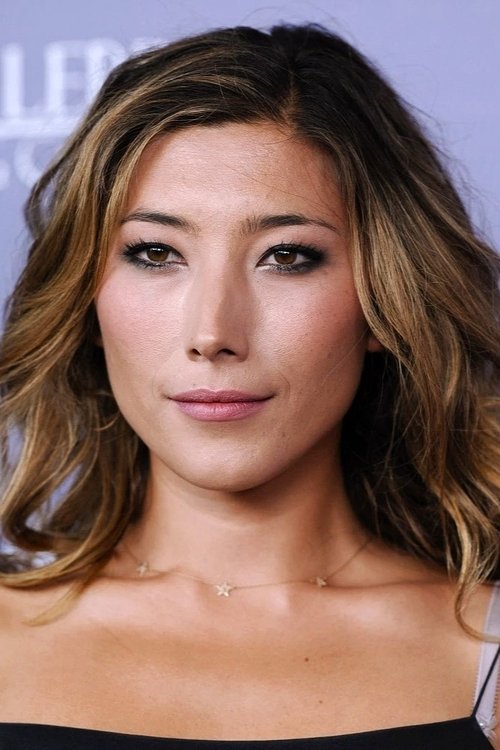
Dichen Lachman
Sierra

Enver Gjokaj
Victor

Tahmoh Penikett
Paul Ballard
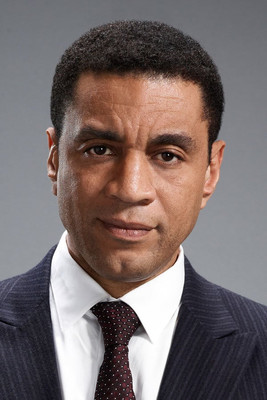
Harry Lennix
Boyd Langton
Story & Production Details
Reviews & Thoughts
Dollhouse is an odd show, it took a few episodes to establish where it was going and once it did cancellation was just around the corner at the end of its second season. So, is it good? Yes, yes it is, the concept of blank slate people implanted with personalities is science fiction gold and is used in a few interesting ways by the writing staff, also the characters are well developed and as an audience they are easy to emotionally invest in. The ending is a bit of a mess but its still worth watching. Also "Epitaph: one" is a 10/10 episode of science fiction.
**Score: 10/10 A Flawed But Flawless Masterpiece That Rewards Devotion** Each time I watch this series through, I raise its score. Does this mean that it gets better with age? Either that, or each time I watch it I see more in it that I love. That is the mark of true greatness, a work of art that reveals new depths with every encounter, that rewards your attention and your investment with layers you didn't notice before. *Dollhouse* is a perfect example of all that is good about Joss Whedon: his art of storytelling and his ability to develop characters that you absolutely want to invest in. It is a series that asks profound questions about identity, autonomy, memory, and what it means to be human and it does so through a cast of characters who, despite their literal blank slates, become some of the most fully realised and deeply human figures Whedon has ever created. **The Premise: Believable and Chilling** The story arc doesn't require suspension of disbelief, as the premise is quite believable. The Dollhouse is an underground organisation that rents out human beings "Actives" or "Dolls" who have had their personalities wiped and replaced with custom-made identities to fulfil the fantasies of wealthy clients. It is science fiction that feels like a dark reflection of our own world, where technology, power, and exploitation intersect. The show explores its premise with intelligence and nuance, never shying away from the ethical horrors at its core. **The Characters: Whedon's Greatest Gift** At its heart, *Dollhouse* is about Echo (Eliza Dushku), an Active who begins to retain fragments of her former selves, slowly awakening into a new kind of consciousness. But the show's true strength is its ensemble. Tahmoh Penikett's Paul Ballard, the FBI agent obsessed with the Dollhouse; Fran Kranz's Topher Brink, the morally conflicted genius who creates the personalities; Enver Gjokaj's Victor and Dichen Lachman's Sierra, two Actives whose journey mirrors Echo's; and Olivia Williams's Adelle DeWitt, the cold, calculating overseer. Each is given depth, complexity, and moments of genuine humanity. Alan Tudyk as Stephen Kepler / Alpha: A Masterclass in Madness And then there is Alan Tudyk. His portrayal of Stephen Kepler and the terrifying truth beneath that identity is one of the most extraordinary performances in Whedon's entire oeuvre. Tudyk arrives in the second half of Season 1 as a seemingly harmless, neurotic, agoraphobic environmental scientist, a man so twitchy and anxious that you almost feel sorry for him. He is funny, pathetic, and utterly disarming. Then the mask slips. Kepler is, in fact, Alpha a former Active who went catastrophically wrong, a composite of multiple personalities who escaped the Dollhouse and has been lurking in the shadows ever since. Tudyk plays the transition with chilling precision. In an instant, the nervous twitches vanish, the eyes go cold, and a predator emerges. It is one of the great villain reveals in television history. What makes Tudyk's performance so remarkable is the depth he gives to each of his personalities. Alpha is not a single, coherent villain; he is a fractured, chaotic collection of selves, each one distinct, each one dangerous in its own way. Tudyk shifts between them with breathtaking ease from the whiny, paranoid Kepler to the suave, menacing Alpha to moments of childlike confusion and terrifying, focused rage. You can see the different people warring inside him, and Tudyk makes each one feel real. It is a performance of immense technical skill and emotional intelligence. And then there is his classic line of dialogue, delivered with a perfect blend of casual charm and bone-chilling menace: "I may have multiple personalities, but only one of them is a psychopath." The line is a masterstroke of dark comedy and horror. It tells you everything you need to know about Alpha in a single sentence his fractured mind, his self-awareness, his casual acceptance of his own monstrosity, and the terrifying implication that one psychopath is more than enough. Tudyk delivers it with a smile that doesn't reach his eyes, and it lingers in the memory long after the episode ends. **The Rollercoaster Ride: From Directionless to Unforgettable** It starts off somewhat directionless, but very quickly gains traction. The first five episodes are, by Whedon's own admission, more episodic and network-friendly "engagement of the week" stories that establish the premise but don't yet reveal the show's true potential. Then comes episode six, "Man on the Street," and the show kicks into gear. From that point on, it is a relentless, propulsive narrative that builds toward a staggering conclusion. Its biggest issue is season two feels rushed, and this is because the show was cancelled and Joss needed to finish the story as best he could. The second season crams what should have been multiple seasons of story into thirteen episodes, and the pacing is often breathless. Yet even this flaw is a testament to the show's ambition. **The Episodes: Science Fiction at Its Finest** Some of the individual episodes are among the best science fiction writing available. "Epitaph One" and "Epitaph Two" are post-apocalyptic masterpieces that show the ultimate consequences of the Dollhouse's technology. "The Attic" is a surreal, nightmarish exploration of the mind. "Getting Closer" and "The Hollow Men" deliver emotional payoffs that are devastating and earned. **Why a 10/10?** *Dollhouse* is not perfect. It was cut short, its second season is uneven, and its first few episodes don't fully represent what it becomes. But it earns its 10/10 because it is a complete artistic vision, realised against the odds. It is a show that asks big questions and refuses to offer easy answers. It is a show that trusts its audience to follow it into dark places. And it is a show that, like all the best works of art, gets better every time you return to it. **Watch if:** You love Joss Whedon's work, appreciate thought-provoking science fiction, or want to see a show that rewards your investment with one of the most ambitious, moving, and unforgettable stories ever told on television. **Skip if:** You need instant gratification or can't tolerate a show that was cancelled before it could fully realise its vision. But honestly? You're missing out.